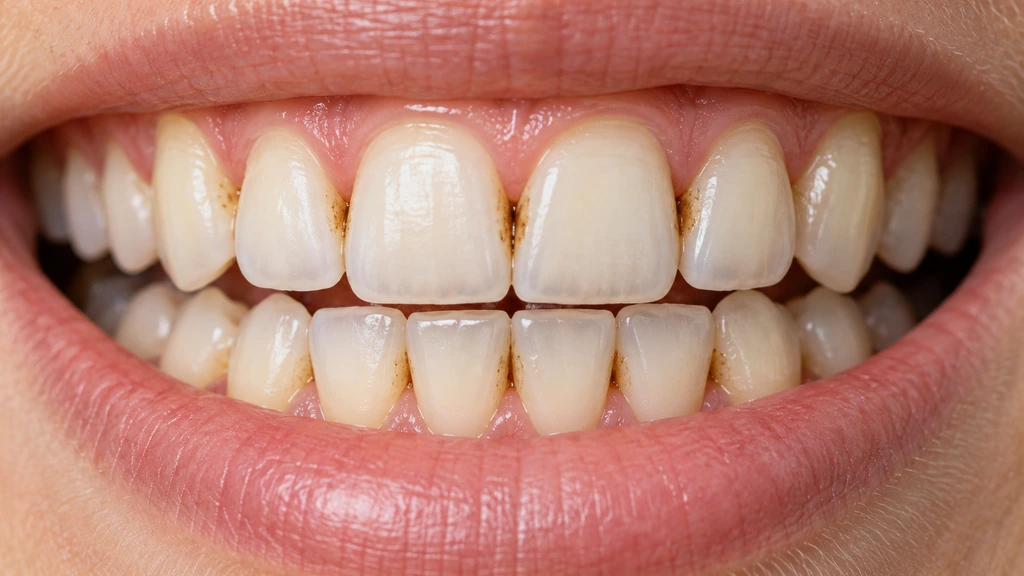
Brown stains between teeth can come from food, drinks, or plaque buildup. Sometimes, a brown spot may be tartar or decay. Daily flossing and regular cleanings can help keep these areas clean. If a spot feels rough or sensitive, your dentist can take a closer look.
In this guide, Noah Smile Group explains the common causes, treatment options, and simple ways to help prevent stains from coming back.
Causes of Brown Spots on Teeth
Brown spots on teeth can come from what you eat and drink, how you clean your teeth, or changes inside the tooth. Cleveland Clinic names foods, drinks, tobacco, some medicines, and plaque left on the teeth among the common reasons teeth change color.
Here are the most common causes:
- Coffee, tea, red wine, and cola leave dark pigments that cling to the tooth surface. These drinks are also a common reason why teeth turn yellow.
- Smoking or chewing tobacco leaves brown stains that build up fast.
- Plaque that stays between teeth can harden into tartar, which often looks yellow or brown.
- Skipped flossing lets plaque and stains collect in the spaces a brush misses.
- Some mouthwashes, such as chlorhexidine, and iron supplements can stain the outside of teeth.
- Tooth decay can show up as a brown or dark spot between two teeth.
- Old fillings can darken over time or pick up stains at the edges.
Types of Brown Tooth Stains

Brown stains are not all the same. Some sit on the outside of the tooth. Dentists call these extrinsic stains, and they often come from coffee, tea, wine, or tobacco. Others start inside the tooth, under the hard outer layer called enamel. These are intrinsic stains, and a toothbrush cannot reach them.
Between the teeth, a brown color may also be tartar or a cavity. According to Cleveland Clinic, tartar is plaque that has turned hard on the tooth. It feels rough, like a crust, and only a dental cleaning can take it off. A cavity is a small hole that decay makes in the tooth. It may look brown or dark, feel rough, or catch your floss. A dentist needs to check the spot, often with X-rays, to know if it is a cavity. Here is a simple way to compare them:
Type | What It Often Looks Like | What It Usually Means | What Helps |
Surface stain | Smooth light to dark brown line | Pigments from coffee, tea, wine, or tobacco | Flossing, brushing, professional cleaning, whitening |
Tartar | Hard, rough brown or yellow buildup near the gums | Hardened plaque | Professional cleaning only |
Decay | Brown or dark spot that may feel soft or rough, or catch floss | A cavity forming between teeth | Dental exam, X-rays, and a filling if needed |
Internal discoloration | Brown that does not lift with cleaning | Fluorosis, enamel defects, old fillings, or an injured tooth | Dentist evaluation; bonding or veneers |
How Do I Remove Brown Stains From My Teeth?
If you want to know how to remove brown stains from teeth, start with the cause. Home care can lighten fresh surface stains. Tartar and decay need a dentist, because no toothpaste or home trick can remove hard buildup or repair a cavity. The sections below explain both:
Professional Treatments for Removing Brown Tooth Stains
A dentist can first find out what the stain really is. They look closely at the spot and may take X-rays to check for cavities between teeth. A dentist may then suggest:
- A dental cleaning, where a hygienist scrapes off tartar with special tools (scaling) and then polishes away surface stains.
- Professional whitening, which works best on surface stains.
- A filling, if the brown spot turns out to be decay.
- Bonding or porcelain veneers, which can cover internal stains that do not lighten with whitening.
If you are not sure what your brown spot is, a simple checkup can give you a clear answer.
How to Remove Brown Stains From Teeth Naturally
You can remove brown stains from teeth naturally in some cases, as long as they are fresh surface stains. Home care cannot remove tartar or fix decay, but it can fade light stains and slow new ones. Here are a few safe steps:
- Floss once a day to clear plaque and pigments from between your teeth.
- Try an interdental brush or a water flosser if regular floss is hard to use.
- Brush twice a day with fluoride toothpaste.
- Use a whitening toothpaste to help polish away light surface stains.
- Brush with baking soda gently and only now and then, or pick a toothpaste that has both baking soda and fluoride.
A review in the Journal of the American Dental Association found that baking soda is a mild abrasive, so it can lift surface stains without much wear on enamel. It does not contain fluoride, though, so it should not replace your regular toothpaste.
Some home tricks can harm your teeth. Charcoal products have not been proven safe or effective for teeth. Lemon juice and vinegar are acids, and acids wear away enamel over time. Never scrape tartar off at home, since this can hurt your gums and teeth.
How to Prevent Brown Stains on Teeth

Most brown stains build up slowly, so small habits each day can keep them from coming back. The spaces between your teeth need the most care, since a toothbrush cannot clean them well. To prevent brown stains on teeth, keep these habits:
- Floss once a day.
- Brush twice a day for two minutes.
- Rinse your mouth with water after coffee, tea, or wine.
- Use a straw for dark drinks when you can.
- Quit smoking or chewing tobacco.
- Keep up with regular dental cleanings.
When to See a Dentist About Brown Stains Between Teeth
Brown stains between teeth are common, and many are only surface stains from food, drinks, or tobacco. Tartar and cavities can look similar, though, so only a dental visit can tell you for sure. See a dentist if a brown spot:
- Feels rough or catches your floss
- Comes with sensitivity or pain
- Does not lighten with better home care
- Keeps coming back soon after a cleaning
At Noah Smile Group in Brooklyn, our dentists can look at your brown spots and explain what is causing them. Call us at (347) 720-9068 or schedule a dental checkup at our office.
Final Thoughts
Most brown stains between teeth come from food, drinks, tobacco, or plaque that builds up where your brush cannot reach. Daily flossing, good brushing, and regular cleanings can help keep them away. If a spot feels rough, hurts, or does not fade, it may be tartar or a cavity, so it is best to have a dentist check it.
FAQs
What is best to whiten very brown stains between teeth due to smoking?
A dental cleaning comes first, since it removes tobacco stains and hard buildup. Then whitening at the dentist can make your teeth lighter. Quitting tobacco keeps new stains away.
Does baking soda remove brown stains from teeth safely?
Yes, it can remove light surface stains, but it will not remove hard buildup or fix a cavity.
Are brown stains a sign of tooth decay or gum disease?
Sometimes. A brown spot can be a cavity, or hard buildup that can lead to gum disease. Many are only stains, though. A dentist can tell which one it is.
Can brown stains on teeth be removed?
Yes, most can. A dental cleaning removes most stains and hard buildup. Whitening can make teeth lighter. Stains deep inside the tooth may need bonding or veneers to cover them.